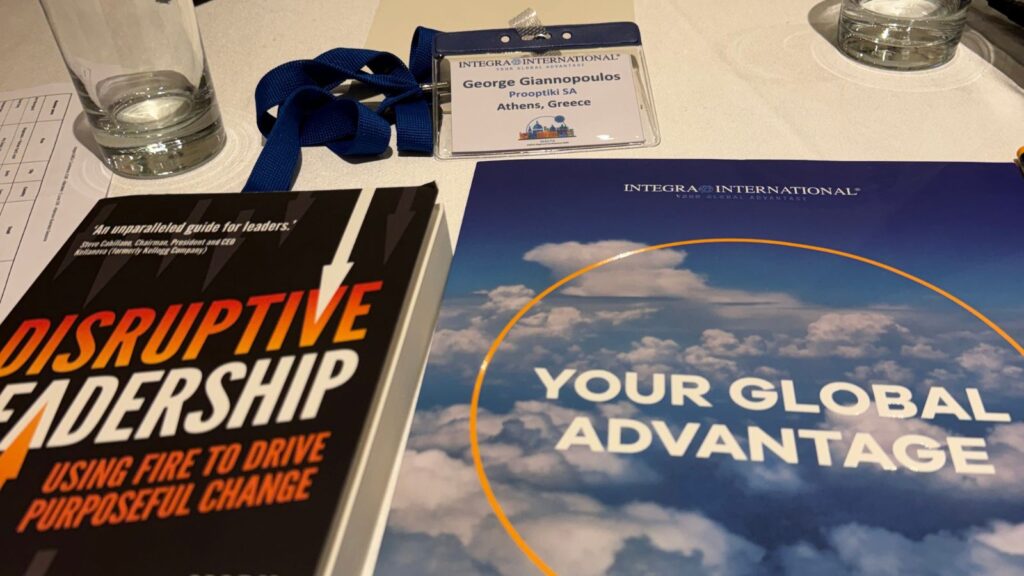
Prooptiki SA at Integra International EMEIA Conference 2026
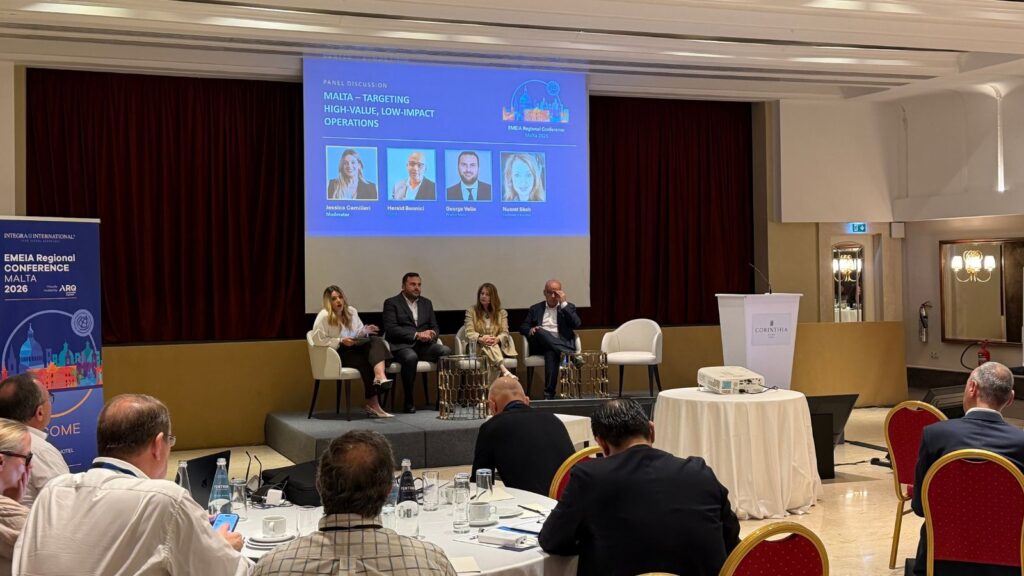
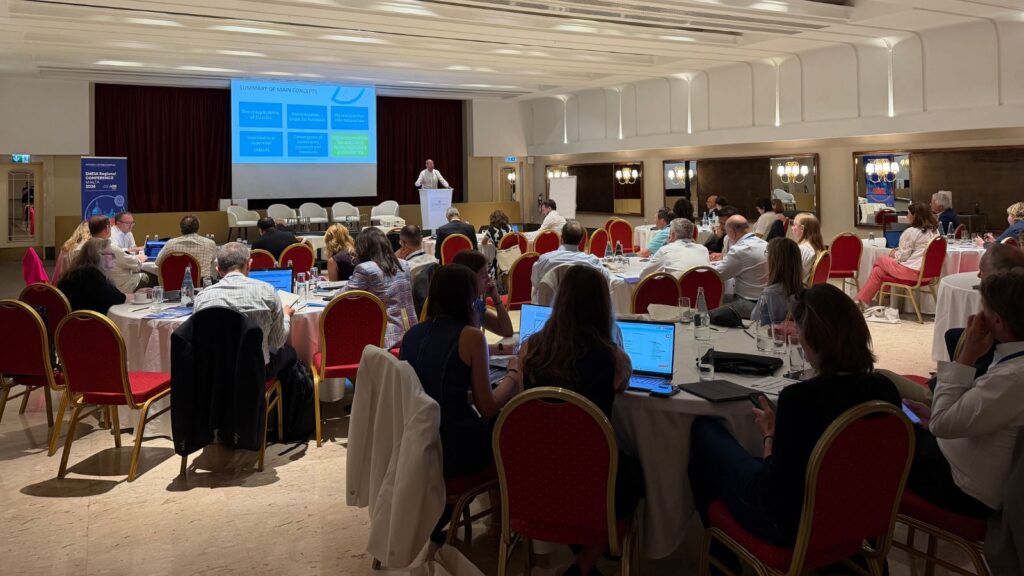
From 4–6 June 2026, Prooptiki partners and accounting professionals from across the world gathered in Malta for the Integra International EMEIA Conference 2026. The event provided an exceptional platform for exchanging ideas, strengthening international relationships, and exploring the forces shaping the future of business in an increasingly interconnected world.
Among the many thought-provoking topics discussed, three stood out as particularly significant: the transformative role of Artificial Intelligence (AI) in finance, the implementation of the OECD-led global tax reform and Pillar 2 framework, and the growing influence of geopolitics on global business operations.
Artificial Intelligence: Redefining Finance
Artificial Intelligence is no longer a future concept—it is rapidly becoming a fundamental component of modern financial management. Conference discussions highlighted how AI is reshaping financial services, accounting, auditing, risk management, and corporate decision-making.
Keythemesincluded:
- The use of AI-powered analytics to improve forecasting accuracy and financial planning.
- Automation of routine accounting and compliance processes, enabling finance professionals to focus on strategic advisory roles.
- Enhanced fraud detection and risk assessment through machine learning algorithms.
- The growing importance of data governance, cybersecurity, and ethical AI implementation.
While AI offers significant opportunities for efficiency and value creation, speakers emphasized that human expertise remains essential. The future belongs not to AI replacing professionals, but to professionals who effectively leverage AI as a strategic tool.
Geopolitics and Its Impact on Global Business
Another central topic was the increasing influence of geopolitical developments on business strategy and international trade.
In a world characterized by shifting alliances, regional conflicts, trade restrictions, supply chain realignments, and economic uncertainty, organizations are required to reassess traditional business models.
Discussions focused on:
- The impact of geopolitical tensions on global supply chains.
- Economic nationalism and changing trade policies.
- Energy security and sustainability challenges.
- Regulatorydivergenceacrossjurisdictions.
- The importance of resilience and diversification in international operations.
Business leaders shared experiences demonstrating that geopolitical awareness is no longer confined to governments and multinational corporations. Even mid-sized firms and professional service organizations must understand global developments and their potential implications for clients and markets.
OECD-Led Tax Reform and Pillar 2 Implementation
A further key topic discussed during the conference was the ongoing implementation of the OECD’s global tax reform initiative, particularly the introduction of Pillar Two and the Global Minimum Tax regime.
As jurisdictions worldwide continue to adopt the OECD framework, multinational enterprises are facing significant changes in tax compliance, reporting obligations, and strategic planning. The conference provided valuable insights into the practical challenges organizations encounter while adapting to the new rules and the varying approaches taken by different countries in implementing the legislation.
Discussions focused on:
- The impact of the 15% global minimum effective tax rate on multinational groups.
- Compliance and reporting requirements under the Global Anti-Base Erosion (GloBE) rules.
- The interaction between local tax regimes and the OECD framework.
- The challenges of data collection, technology integration, and governance required for Pillar Two compliance.
- The role of tax advisors in helping businesses navigate an increasingly complex international tax environment.
Speakers emphasized that Pillar Two represents one of the most significant developments in international taxation in decades. Beyond compliance, businesses must evaluate the broader strategic implications for investment decisions, group structures, transfer pricing policies, and cross-border operations.
The discussions highlighted the importance of proactive planning and international cooperation as organizations seek to manage risks and identify opportunities arising from the evolving global tax landscape.
Collaboration in an Era of Change
A recurring message throughout the conference was the value of international collaboration. As businesses navigate technological disruption and geopolitical uncertainty, global networks such as Integra International provide a powerful platform for sharing knowledge, best practices, and cross-border expertise.
The conference reinforced the importance of maintaining strong international partnerships while embracing innovation and adaptability. The exchange of perspectives from diverse markets offered valuable insights into how organizations can remain competitive and resilient in rapidly changing environments.
Looking Ahead
The Integra International EMEIA Conference 2026 successfully highlighted the challenges and opportunities that lie ahead for businesses worldwide. Artificial Intelligence is transforming the finance profession at an unprecedented pace, while geopolitical developments continue to reshape the global business landscape.
The key takeaway from Malta is clear: organizations that combine technological innovation with strategic awareness and international collaboration will be best positioned to thrive in the years ahead.
Beyond the valuable technical discussions, the conference also provided an excellent opportunity to strengthen professional relationships, exchange experiences with colleagues from different jurisdictions, and reaffirm the shared commitment to delivering high-quality services in an increasingly complex global environment.